As students spend countless hours poring over textbooks and assignments, the importance of proper desk lighting cannot be overstated. One often overlooked yet critical aspect is the placement of the desk lamp relative to the dominant hand. The guiding principle is simple yet profound: position the lamp on the opposite side of the dominant hand to minimize shadows and reduce eye strain. This seemingly minor adjustment can have a significant impact on visual comfort, concentration, and long-term eye health.
The shared office printer area has long been an overlooked frontier in workplace design, often relegated to whatever spare corner could accommodate the machinery. Yet this space, frequently characterized by the hum of machinery, the rustle of paper, and the quiet frustration of paper jams, holds a unique position in the daily rhythm of office life. It is a nexus of workflow, a point of inevitable congregation, and consequently, a significant source of both audible noise and psychological pressure. The constant, low-grade annoyance stemming from a poorly managed printer zone can subtly erode employee well-being and productivity. Addressing this requires a thoughtful approach that moves beyond mere functionality to create an environment that mitigates stress and perhaps even offers a moment of respite.
As a parent of a child with severe allergies, sending them for a sleepover at a friend's house can feel like navigating a minefield. The excitement in your child's eyes when they receive an invitation is often met with a knot of anxiety in your stomach. You want them to experience the joy of childhood friendships and independence, but the potential risks loom large. The key to transforming this anxiety into a manageable, even positive, experience lies in one crucial element: clear, comprehensive, and compassionate communication.
Every great speech begins long before the first word is spoken. Behind the curtain, in the quiet moments before stepping into the spotlight, seasoned orators engage in a ritual as vital as the message itself—vocal warm-ups. Often dismissed as mere "mouth gymnastics," these exercises are the unsung heroes of public speaking, serving the dual purpose of enhancing performance and safeguarding the delicate instrument that is the human voice.
In the digital age of healthcare, the ability to capture clear, informative photographs of skin conditions like rashes or wounds has become an invaluable skill for patients and caregivers. It bridges the physical gap between you and your healthcare provider during a telemedicine consultation, transforming a subjective description into a tangible, visual piece of evidence. A high-quality image can speak volumes, often conveying details that are difficult to articulate over the phone or through text. This visual data empowers clinicians to make more accurate preliminary assessments, ask more targeted questions, and ultimately, provide better and faster care. The difference between a blurry, poorly lit snapshot and a crisp, well-composed photograph can significantly impact the efficiency and effectiveness of your online consultation, potentially saving crucial time in diagnosis and treatment planning.
As frequent travelers, we often find ourselves in hotel rooms that serve as temporary homes away from home. Among the various amenities provided, glassware sits quietly on counters or bathroom vanities, appearing clean and ready for use. The gleaming transparency of these glasses often creates an illusion of purity that can be dangerously misleading. The reality is that these seemingly pristine vessels may harbor more than meets the eye, making proper cleaning and disinfection not just recommended but essential for maintaining personal health during travel.
There's nothing quite like the disappointment of stepping into your shower only to be met with a weak, sputtering spray from a showerhead clogged with mineral deposits. That once invigorating cascade is reduced to a pathetic trickle, a mere ghost of its former self. This common household nuisance is almost always caused by limescale, a hard, chalky deposit primarily made of calcium carbonate that accumulates wherever hard water flows and evaporates. For those of us not blessed with naturally soft water, this is a familiar battle. The good news is that this isn't a permanent condition requiring an expensive replacement. With a bit of knowledge and some common household items, you can restore your showerhead to its full, powerful glory and significantly upgrade your daily bathing ritual.
It happens to all of us. You step outside to check the mail, take the dog for a quick walk, or simply get a moment of fresh air, and there they are. Your neighbor. A friendly, familiar face, but also an immediate social calculation. You exchange the initial pleasantries—the weather is indeed unseasonably warm, the city finally fixed that pothole, how about those local sports teams—but then, the moment arrives. The conversation, however brief and pleasant, must conclude. You need to get on with your day, and so do they. Yet, this is where so many of us feel a subtle but very real pang of social anxiety. How do you end it? How do you gracefully exit without seeming rude, abrupt, or worse, eager to get away from them?
In the humming heart of modern customer service centers, where the air is thick with the low murmur of voices and the constant glow of computer screens, a quiet revolution is taking root. It’s not about new software, faster internet, or more efficient call routing algorithms. Instead, it’s about the often-overlooked minutes between calls, the dreaded hold music, and the silent waiting for a customer to find their account number. This revolution is physical, simple, and profoundly effective: the wall sit.
After pushing your body to its absolute limits through high-intensity training, the nervous system remains in a heightened state of arousal. This state, while beneficial for performance during the workout, can impede recovery if not properly addressed. The sympathetic nervous system, responsible for the fight-or-flight response, dominates during intense exertion. To truly recover—to rebuild muscle, restore energy, and prepare for the next challenge—the body must transition into a parasympathetic state, often called the rest-and-digest system. This shift doesn't always happen automatically after you drop the weights or finish your final sprint. It requires intention and practice. Learning to consciously calm your nervous system is not a luxury for elite athletes; it is a fundamental component of any serious training regimen. The following techniques offer a pathway to achieve that deep state of relaxation, promoting faster recovery and better long-term results.
For the modern traveler, maintaining adequate protein intake while on the road presents a unique set of challenges. Whether navigating bustling foreign markets, enduring long-haul flights, or adapting to unfamiliar culinary landscapes, ensuring consistent nutrition requires both foresight and flexibility. Protein, as a fundamental building block for muscle repair, immune function, and sustained energy, becomes even more critical when the body is subjected to the physical and mental stresses of travel. Neglecting this essential macronutrient can lead to fatigue, weakened immunity, and diminished enjoyment of the journey. Thus, developing a strategic approach to protein consumption is not merely a dietary concern but a vital component of travel wellness.
In recent years, the popularity of self-myofascial release has surged among fitness enthusiasts and individuals seeking relief from muscle tension. While professional tools like fascia blades are effective, many are exploring household alternatives to achieve similar benefits without investing in specialized equipment. However, the convenience of using everyday items comes with important safety considerations that must not be overlooked.
Stepping off the track or out of the gym after an intense workout often brings that familiar, deep ache in your muscles. It’s a sensation athletes and fitness enthusiasts know all too well—the dull, persistent soreness that sets in hours later and peaks a day or two after exertion. This experience, known as Delayed Onset Muscle Soreness or DOMS, is both a badge of honor and a source of discomfort. How we choose to address it—whether through gentle movement or complete rest—can significantly influence recovery speed, long-term adaptation, and overall performance.
The relationship between caffeine consumption timing and athletic performance has long fascinated both sports scientists and casual athletes alike. This intricate dance between substance intake and physical output forms a curve that is anything but linear, revealing profound insights into human physiology and the art of performance optimization. The curve itself tells a story of peaks and valleys, of timing and dosage, of individual variability and universal principles.
For athletes and fitness enthusiasts, the relationship between alcohol consumption and performance is often oversimplified to calorie counting or next-day lethargy. However, the true impact runs much deeper, woven into the very fabric of recovery and physiological adaptation. The evening drink, a common ritual for unwinding, initiates a complex biochemical cascade that directly sabotages the two pillars of athletic progress: high-quality sleep and effective training. Understanding this intricate dance between ethanol metabolism and human physiology is not about promoting teetotalism, but about making informed choices that align with one's performance goals.
Chicken breast stands as one of the most popular protein sources worldwide, prized for its lean profile and versatility in the kitchen. However, not all cooking methods treat this nutritional powerhouse equally. The way we apply heat, moisture, and time can dramatically influence how much of its precious protein our bodies can actually use. Understanding these nuances isn't just academic; it's practical knowledge for anyone looking to maximize their nutritional intake from this common staple.
As athletes lace up their shoes and prepare to push their limits, one fundamental aspect of performance often gets overlooked until it's too late: hydration. The old adage of drinking when thirsty has long been proven inadequate for sustaining peak performance, especially during prolonged physical exertion. This realization has given rise to the widely endorsed principle of "drink little and often," a mantra echoed by coaches and sports scientists alike. But what does this actually mean in practical, measurable terms? How can an athlete translate this vague guidance into a precise hydration strategy that maximizes endurance, prevents cramping, and avoids the dangers of both dehydration and overhydration?
After an intense workout, your body craves nutrients to repair muscle tissue and replenish energy stores. While whole foods are ideal, sometimes life gets in the way, and the convenience of a local store becomes the most practical option. Navigating the aisles of a convenience store for a post-workout protein fix can feel daunting amidst the sea of processed snacks and sugary drinks. However, with a discerning eye and a little knowledge, you can find genuinely high-quality options that will support your recovery and fitness goals without derailing your progress.
As summer temperatures soar and the sun beats down relentlessly, staying cool and hydrated becomes a daily challenge. While reaching for a store-bought ice pop or sugary drink might seem like the easiest solution, there is a more nourishing and effective alternative gaining popularity among health-conscious individuals: homemade electrolyte ice pops. These frozen treats not only provide a refreshing respite from the heat but also deliver essential minerals lost through sweat, making them a superior choice for both hydration and enjoyment.
Rainy weather doesn't have to mean the end of your outdoor adventures. For dedicated athletes and nature enthusiasts, precipitation is merely another element to conquer. However, the difference between a miserable, soaked experience and an invigorating, successful outing often comes down to one critical factor: waterproof gear performance. Not all waterproof claims are created equal, and understanding how to put your equipment through its paces is essential for anyone who refuses to let the weather dictate their schedule.
As urban dwellers, we spend countless hours waiting at bus stops, scrolling through our phones or simply watching the world go by. But what if we could transform these idle moments into opportunities for physical well-being? Isometric exercises, often overlooked in favor of dynamic workouts, offer a perfect solution for discreet, effective strength training right at the bus stop. These static contractions, where muscles are engaged without visible movement, require no equipment, minimal space, and draw no unwanted attention—making them ideal for public settings.
There is something profoundly elemental about the act of running barefoot on a beach. The cool, yielding sand beneath your feet, the rhythmic crash of waves, and the vast expanse of the horizon create a sensory experience that feels both primal and liberating. For many, it is the purest form of running, a direct connection to the earth that modern, heavily cushioned footwear has all but eliminated from our daily lives. However, transitioning to this ancient practice is not as simple as kicking off your shoes and sprinting into the sunset. It requires a significant period of adaptation, a conscious retraining of the body and mind to handle the unique demands of this terrain. The journey from a habitual shoe-wearer to a confident barefoot beach runner is one of patience, awareness, and a gradual rediscovery of the innate biomechanics we were born with.
As the first light of dawn breaks over the city, a familiar scene unfolds in parks worldwide. Joggers pound the pathways, tai chi practitioners move through their graceful forms, and fitness enthusiasts stretch on dew-kissed grass. For generations, morning exercisers have sworn by the revitalizing power of early outdoor activity, often claiming that park air possesses some special quality that enhances their performance. But is there scientific truth behind this longstanding belief, or is it merely exercise folklore passed down through generations?
In the heart of the city, where concrete meets creativity, a new fitness movement is taking root. Against the backdrop of vibrant murals and graffiti-covered walls, urban dwellers are trading sterile gym environments for the raw, inspiring setting of street art. This isn't just another workout trend—it's a cultural fusion where physical exertion meets artistic expression, creating something entirely new and powerfully authentic.
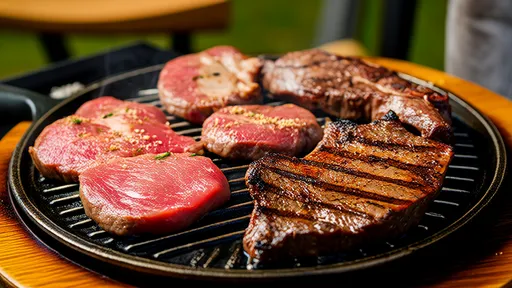
Asado is not merely a meal in Argentina, it is a ritual, a social event, and a profound expression of cultural identity. The term itself refers to both the technique of slow-grilling over wood or charcoal and the gathering that surrounds it. At the heart of this tradition lies a deep understanding of beef, its various cuts, and how to treat each one with the respect it deserves. The magic of a perfect asado is achieved through two fundamental, yet deceptively simple, elements: time and salt. Mastering these is what separates a good parrillero (grill master) from a great one. It is an art form passed down through generations, learned not from books, but through experience, patience, and a shared sense of community around the glowing embers of the parrilla.
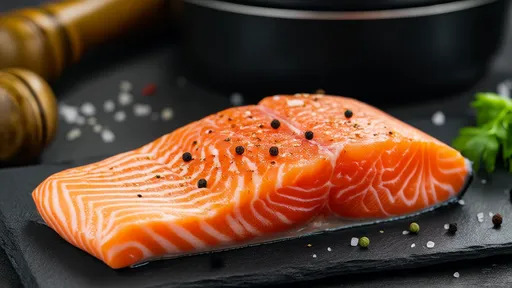
In the ever-evolving landscape of culinary arts, few techniques have garnered as much attention and reverence as sous-vide cooking. This method, which translates from French as "under vacuum," has transitioned from the exclusive domain of high-end restaurants to the kitchens of passionate home cooks. At its heart, sous-vide is a study in precision, a promise of unparalleled control over the final product. Nowhere is this precision more critical, and the results more spectacular, than in the preparation of a delicate protein like salmon. Achieving the perfect center—a translucent, buttery, and consistently cooked core—has long been the holy grail for chefs. Traditional methods, with their intense, direct heat, often betray this goal, resulting in a dry, overcooked exterior long before the center reaches its ideal temperature. Sous-vide dismantles this problem entirely, offering a pathway to perfection that was once thought impossible outside of professional kitchens.
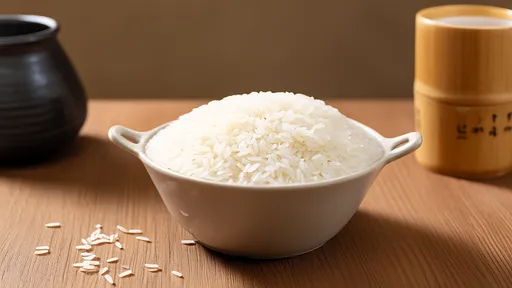
In the world of premium rice, Japan's Koshihikari stands as a paragon of quality and tradition. Cultivated with meticulous care, this short-grain variety is renowned for its delicate sweetness, subtle stickiness, and unparalleled aroma. For chefs and home cooks alike, achieving the perfect pot of Koshihikari is a culinary pursuit, one that hinges on two critical and often debated factors: the temperature of the water used for washing and the precise duration of the soaking period before cooking. These seemingly simple preparatory steps are, in fact, the alchemical processes that transform hard, opaque grains into a fluffy, glossy, and profoundly flavorful staple.
In the lush, tropical landscapes of northern Madagascar, a quiet revolution in understanding is taking root among vanilla connoisseurs and growers alike. For generations, the prevailing wisdom in the spice trade was straightforward: the more seeds, or caviar, visible inside a vanilla bean, the higher its quality. This visual metric became a shorthand for potency and value, a rule of thumb passed down through decades of commerce. Wholesalers, chefs, and home bakers would meticulously split beans to inspect their plump, seed-filled interiors, believing this was the ultimate sign of a superior product. This belief was so entrenched that it directly influenced pricing and purchasing decisions across the globe, from the markets of Antsiranana to the finest pastry kitchens in Paris.
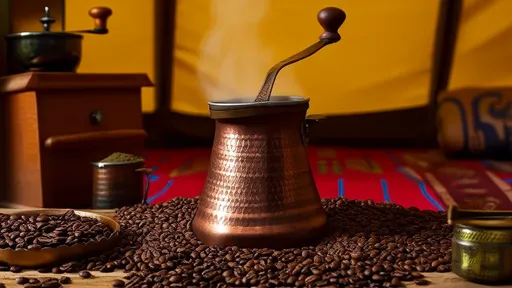
In the bustling souks of the Middle East, the air is often thick with the warm, inviting aroma of coffee—a scent that tells a story far deeper than mere caffeine. This is not the dark, bitter roast familiar in Western cafes, but something more nuanced, more ancient. It is the story of Arabic coffee, a tradition steeped in history, where the humble bean meets the mystical spice of cardamom in a dance of flavor that has defined hospitality and culture for centuries. To understand this beverage is to embark on a journey through time, exploring not just a drink, but a cornerstone of social life.
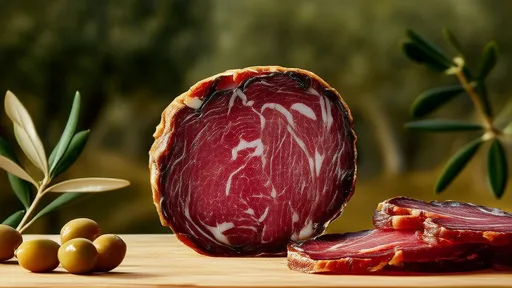
In the rolling hills of Spain's dehesa regions, where ancient holm oaks stretch their gnarled branches toward the sky, a culinary legend is patiently aging. Jamón Ibérico de Bellota, the crown jewel of Spanish charcuterie, represents not merely a product but a profound dialogue between land, animal, and tradition. Its coveted black label signifies the pinnacle of this artisanal craft, reserved exclusively for hams derived from purebred Ibérico pigs that have feasted freely on acorns during the montanera, the autumn fattening season. This final diet is far more than a mere menu; it is the alchemical process that transforms rich intramuscular fat into a complex tapestry of flavors, aromas, and textures unmatched anywhere in the world.
There is a moment of pure, unadulterated joy for any true cheese aficionado when a wedge of Parmigiano-Reggiano is cracked open. That sharp, satisfying snap is more than just a sound; it is a promise. A promise of complexity, of history, and of a granular, crystalline texture that is the undisputed hallmark of excellence. To the uninitiated, the faint crunch within the paste might be mistaken for a flaw, a bit of errant salt or perhaps even a sign of age having gone too far. But for those in the know, these tiny, textural surprises are not just welcome; they are actively sought after. They are the glittering jewels in the crown of the King of Cheeses, the definitive sign of a long, careful, and perfect maturation.
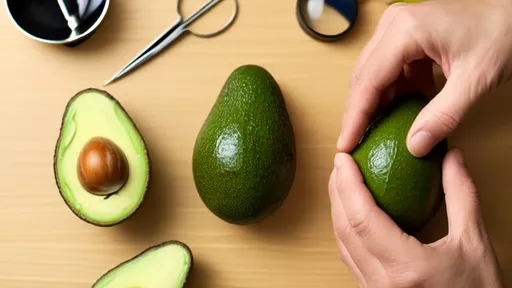
In kitchens and markets across the globe, the avocado has secured its place as a beloved superfood, celebrated for its creamy texture and nutritional benefits. Yet, for all its popularity, selecting the perfect avocado remains a universal challenge—a delicate dance between rock-hard immaturity and disappointing mush. While regional tricks and old wives’ tales abound, one method has risen above the rest for its simplicity and reliability: the stem-and-gentle-squeeze technique. This approach, often referred to as the "global thumb test," transcends borders and languages, offering a tactile, intuitive way to gauge ripeness without specialized tools or guesswork.
In the quiet corners of Istanbul’s bustling cafes or within the intimate warmth of a Turkish home, a ritual older than the Ottoman Empire itself unfolds. It is not merely the drinking of coffee that holds significance, but the silent anticipation of what comes after the last sip. The thick, sludgy grounds left at the bottom of the demitasse cup are not waste to be discarded; they are a cryptic canvas, a portal to reflection, conversation, and perhaps, a glimpse of the future. This is the world of Turkish coffee fortune-telling, or tasseography, a practice steeped in tradition, symbolism, and communal storytelling.
The world of fermented foods is a landscape rich with tradition, science, and a profound connection to cultural identity. Among its most celebrated inhabitants is kimchi, the fiery, complex, and utterly indispensable staple of Korean cuisine. To the uninitiated, it may appear as simply spicy fermented cabbage, but this perception belies a intricate culinary ecosystem. The process of kimching is a delicate alchemy, a carefully orchestrated symphony of ingredients and microorganisms working in concert. While napa cabbage, gochugaru (Korean chili powder), and garlic often claim the spotlight, there exists a humble, yet profoundly critical, component working behind the scenes: the rice paste, or glutinous rice paste. Its role is not one of flavor, but of function—a silent architect ensuring the structural and microbial integrity of the entire fermentative endeavor.
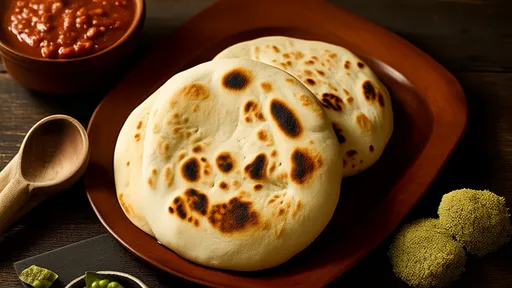
In the highlands of Ethiopia, where the air carries the scent of spices and the sound of ancient languages, there exists a culinary tradition that is both simple and profound. It is the art of making injera, the spongy, sour flatbread that is the heart and soul of Ethiopian cuisine. More than just a staple food, injera is a cultural icon, a symbol of community, and a testament to the delicate balance of fermentation and flavor that has been perfected over centuries. This is not merely a recipe; it is a living heritage, passed down through generations, each batch telling a story of patience, skill, and an intimate understanding of nature's processes.
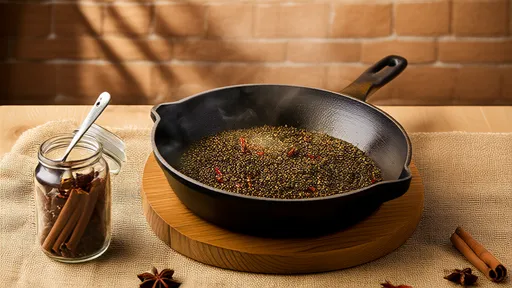
In the bustling spice markets of Old Delhi, there exists an unspoken truth known to every grandmother and seasoned cook: the soul of Indian cuisine cannot be bottled or mass-produced. It breathes in the momentary bloom of spices toasted and ground by hand, a fleeting alchemy that commercial blends simply cannot capture. This is particularly true for Garam Masala, the heartwarming blend that translates to "hot mixture" – not for its spice level, but for its warming Ayurvedic properties. While supermarket shelves groan with uniform jars, the real magic unfolds in Indian kitchens where spices are transformed from dormant seeds into an aromatic symphony through a sacred, sensory ritual.
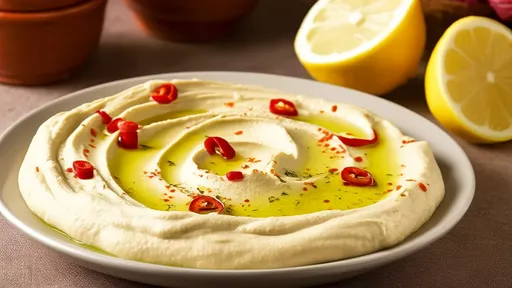
In the sun-drenched kitchens of the Levant, where the air is thick with the scent of toasted cumin and fresh herbs, a silent debate simmers. It is not a loud argument, but a quiet, passionate discourse passed down through generations, whispered over grinding stones and mixing bowls. The subject is hummus, that most revered of Middle Eastern staples, and the heart of the matter lies in the delicate, fraught relationship between two of its core constituents: the rich, nutty tahini and the bright, acidic lemon juice. This is not merely a question of recipe; it is a philosophical inquiry into balance, tradition, and the very soul of a dish.
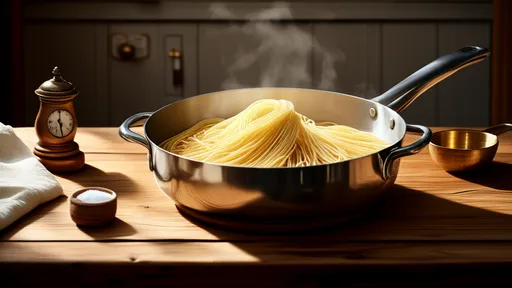
In kitchens across Italy and beyond, a culinary debate simmers with the intensity of a rolling boil—should one cook pasta in an aluminum pot? This seemingly simple question has cleaved the culinary world into two distinct camps for over a century. On one side stand the Traditionalists, guardians of heritage and sensory experience, for whom the gleaming aluminum pentola is a non-negotiable heirloom. Arrayed against them are the Scientists, armed with data, controlled experiments, and a zeal for optimization, who view the pot as merely a vessel subject to the laws of physics and chemistry. This is not merely a quarrel over cookware; it is a profound clash of cultures, a battle for the soul of a dish that is both universally beloved and intensely personal.
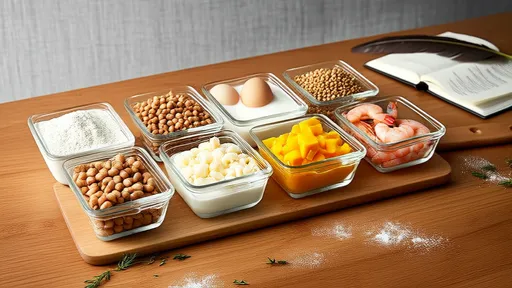
Food allergies represent a significant health concern for millions of individuals worldwide, impacting daily dietary choices and overall quality of life. Understanding common allergens and identifying safe, nutritious alternatives is not merely a matter of preference but a necessity for those affected. This awareness fosters inclusivity in social dining settings and ensures that nutritional needs are met without compromise. The journey toward managing food allergies begins with education—recognizing the triggers, understanding cross-contamination risks, and discovering viable substitutes that do not sacrifice flavor or nutritional value.